
How Long Does Immunotherapy Take to Work? A Realistic Timeline
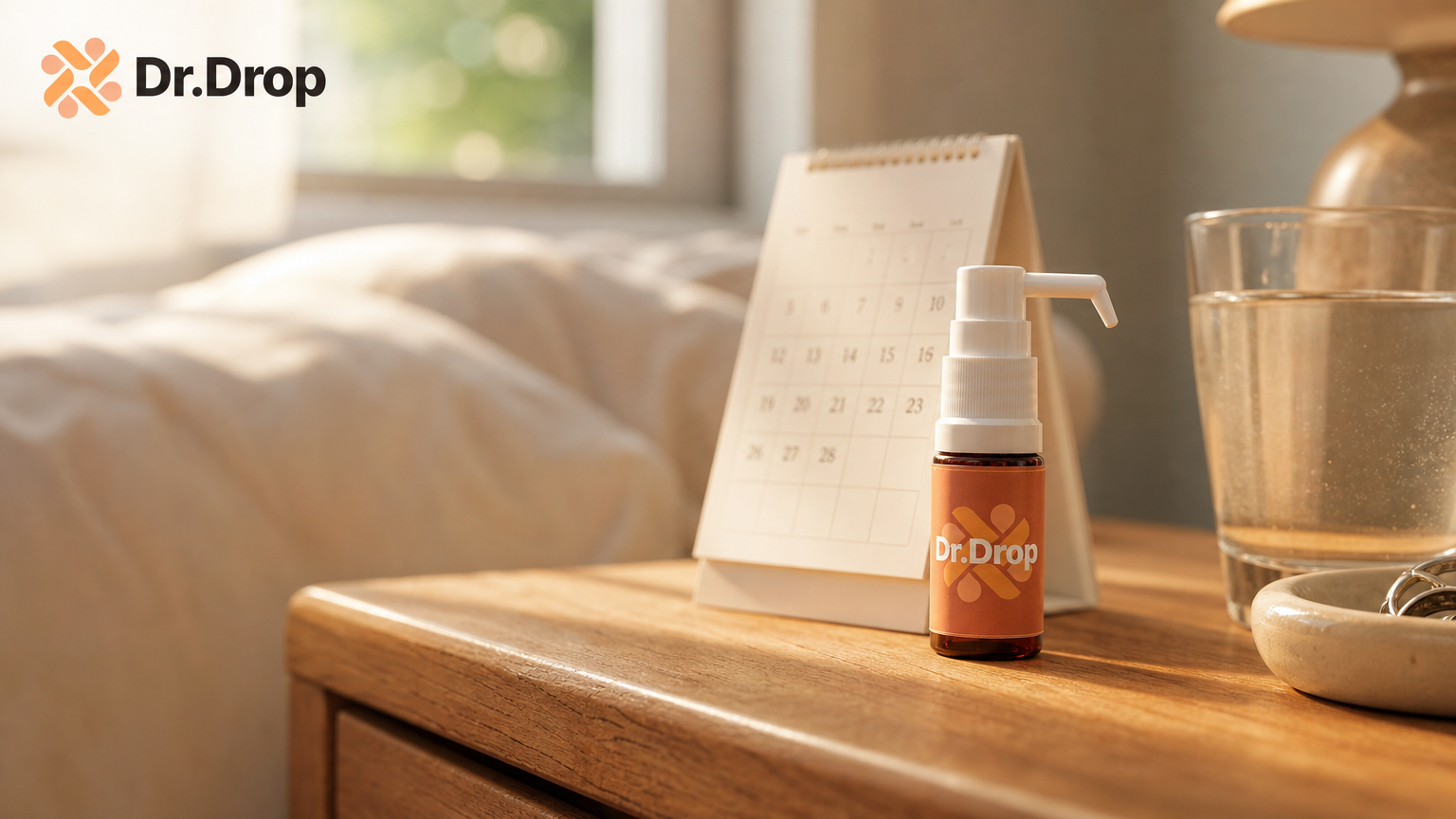
Most people notice early relief within the first few months. The deeper immune retraining that makes relief last builds over roughly one to three years of consistent daily use.
Those are two different things arriving at two different times, and confusing them is the most common reason people quit right before treatment pays off.
Why it runs on a different clock
Allergy drops aren't a painkiller. They don't block a symptom for a few hours the way an antihistamine does.
Sublingual immunotherapy retrains the immune system. A small dose under the tongue daily, and over time the body learns to stop overreacting to pollen, dust, dander or mold. Different mechanism, different timeline.
The timeline, phase by phase
Everyone's body differs. Treat this as a map, not a guarantee.
First days to weeks. The adjustment period. You're building the habit. Some people notice mild mouth itching shortly after a dose early on. It's the most common side effect, local, and it usually settles on its own. You generally won't see a change in allergy symptoms yet. That's normal.
First few months. Where real improvement often shows up: less congestion, fewer flare-ups, better sleep. You reach for tissues less, or a room with a cat doesn't wreck your evening. Meaningful, but a preview rather than the finished product.
One to three years. The actual immune retraining. Consistent daily use over this window builds durable tolerance, which is what makes relief last instead of fading when you stop.
One to three years sounds daunting in a single sentence. But you aren't waiting the whole time to feel better. You feel better along the way while something more permanent takes root underneath.
Consistency is the whole game
The drops work because the immune system gets a small, steady, predictable signal every day. Skipping doses interrupts it.
The people who do best aren't the ones with special immune systems. They're the ones who tied the drops to something they already do daily, like brushing teeth or morning coffee, so they don't forget. The treatment is forgiving of your biology and rewards your routine.
This is also why the timeline is worth stating plainly up front. Expect a cure in three weeks and you'll stop right around the time it starts working.
Masking versus fixing
Antihistamines mask. Useful on a rough day, but the moment they wear off your allergies are exactly where they were.
Allergy shots use the same retraining principle as drops and work well. The trade-off is practical: needles and weekly clinic trips. Drops deliver the same retraining in a few seconds at home, which for many people is what makes staying consistent realistic.
One firm limit
Allergy drops are for environmental and seasonal allergies. They are not a treatment for severe or anaphylactic allergies, which require emergency care and a dedicated plan with your physician. If that's your situation, don't rely on drops.
This article is for general information and isn't medical advice.