
Why Allergy Season Keeps Getting Worse (and What to Do About It)
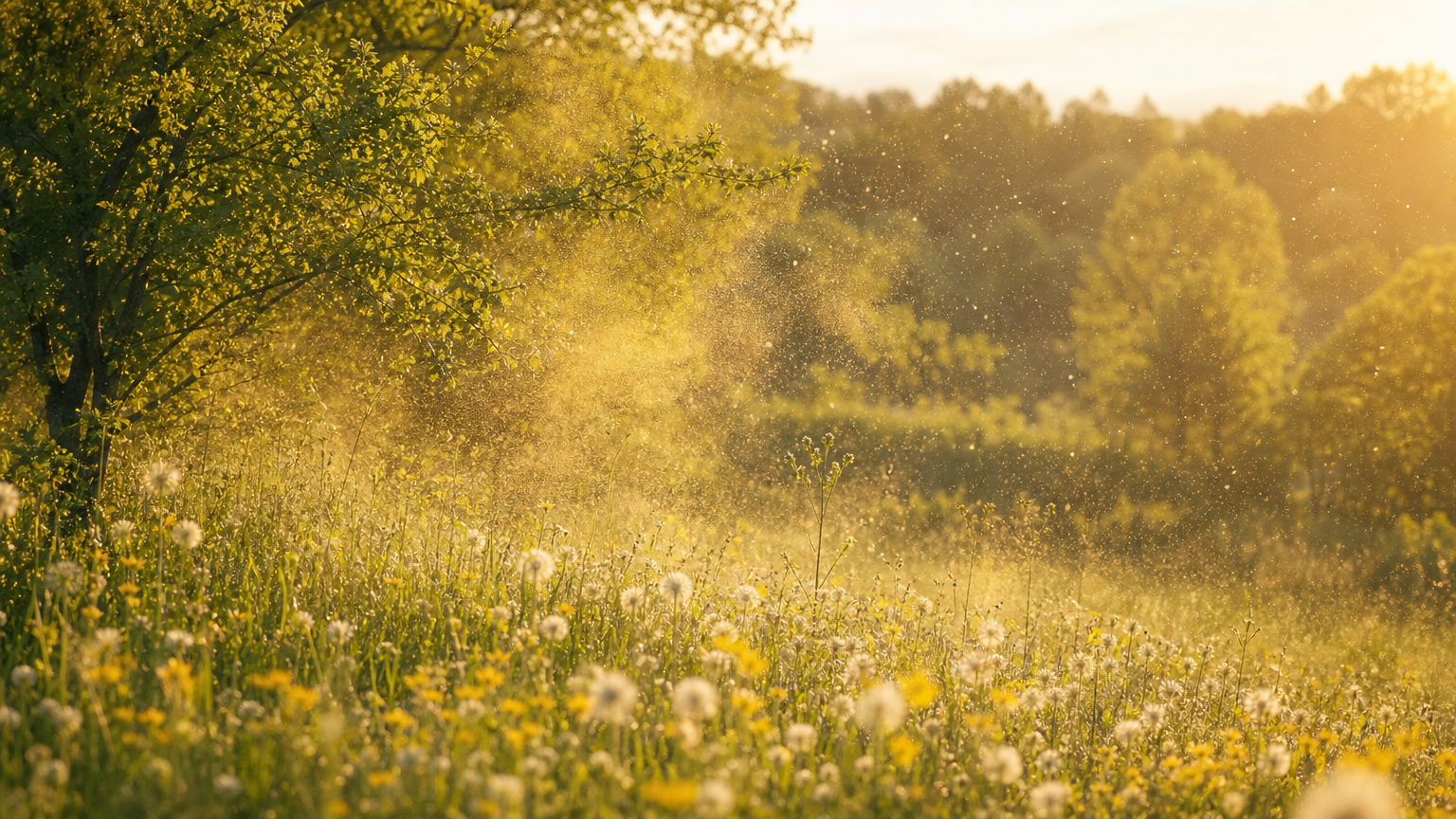
You're not imagining it. Allergy seasons across the country really are getting longer, starting earlier, and carrying more pollen than a decade ago. Your symptoms haven't changed. Your environment has.
When it feels like your eyes start itching in February instead of April, and you're still congested in October, that's a real pattern.
Why the seasons are changing
Warmer temperatures stretch the season. Plants take their cues from temperature. As averages rise, the first frost comes later and spring arrives sooner, so trees release pollen earlier, the growing season runs further into fall, and the overall pollen season has expanded by weeks.
More carbon dioxide means more pollen. Plants use CO2 to grow, and higher levels act almost like fertilizer. Many pollen-producing plants respond by making more of it, and in some cases more potent pollen. A longer season and a heavier load within it.
Ragweed is spreading. The classic late-summer troublemaker, and a single plant releases enormous amounts. Shifting growing conditions are pushing it into regions where it wasn't much of a problem before.
Wet years bring more mold. After heavy rain, mold thrives outdoors in damp soil and leaf litter, and indoors anywhere moisture lingers. Spores are a major and often overlooked allergen.
Why "just take more antihistamines" stops working
Antihistamines mask symptoms. They block the histamine your body releases after it has already decided to overreact. They do nothing about that decision.
That works when total exposure is modest. When the season is longer and counts are genuinely higher, you're asking the same pill to hold back a bigger wave. So people take more, layer on a nasal spray and eye drops, and still feel foggy and worn down.
That isn't using the medication wrong. It's a strategy designed to cover symptoms, meeting a level of exposure it was never built for. And environmental allergies rarely fade on their own, so masking becomes a routine with no endpoint.
Treating the cause instead
Immunotherapy exposes the body to small, controlled, gradually increasing amounts of your specific allergens, teaching the immune system to recognize them as harmless again. Over time many people need far less symptom medication, because the overreaction itself calms down.
Traditionally that meant allergy shots: effective and well established, but needles, weekly visits, and a serious commitment over years. Sublingual drops use the same principle at home.
One note: immunotherapy treats ongoing environmental allergies, not emergencies. Any severe or anaphylactic reaction (trouble breathing, throat tightness, swelling) needs immediate care, not drops.
What to do this season
- Track the pollen count and plan outdoor time around it. Counts are often highest in the morning.
- Keep windows closed on high-pollen days. Airing the house out invites the allergen in. Use air conditioning.
- Shower and change after being outdoors, especially before bed, so you're not marinating in pollen all night.
- Run a HEPA filter where you spend the most time, particularly the bedroom.
- Deal with dampness if mold is your trigger. Fix leaks, run a dehumidifier, dry wet spots quickly.
None of these cure anything, but together they lower total exposure, which means fewer chances to overreact.
This article is for general information and isn't medical advice.